



こかじ Kokaji( JPY ¥1,500 ≒USD $15.00 ≒TWD NT$410 ≒EUR €13.00 ≒GBP £11.00)
- ¥ 1,500 / Rental ( 30 days )
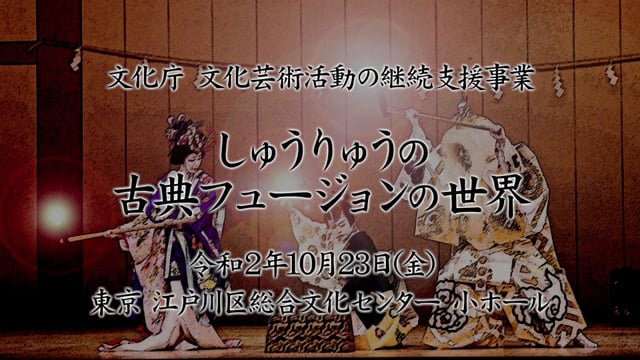
Kokaji is a term used for swordsmith. Munechika Sanjō is said to have been the most renowned swordsmith in Japan during the Heian period(794~1185), who made some of the most famous Japanese swords. The story is set towards the end of the 10th century during the reign of emperor Ichijō (980~1011). The Emperor has had a divine revelation in a dream which tells him to have a new sword forged. He chooses Munechika as a suitable sword maker for this commission. Munechika feels honored but also unwilling at the same time. Hesitantly, he accepts the challenging task. The emperor’s order is troubling; without a proficient partner to wield the counter hammer, it may be beyond his own capabilities. Munechika thinks to himself that he needs an equally skilled assistant. In desperation, he travels to the Fushimi Shrine in Kyoto with his disciple, Umegae, to pray to the god Inari for divine intervention. Inari is a manifestation of a fox spirit, which is believed to bring about a bountiful harvest. Ultimately, it is indeed distantly related to Munechika’s prayers. An emperor with a sword of supreme quality would ensure good harvests and prosperity. As they prepare to forge the sword, Inari, the fox-god, appears. Now the forging is carried out by Munechika and Umegae with divine assistance. As they hammer out the metal, the blade of an imperial treasure begins to take form. The rhythmical hammer blows echo in the sacred area around the anvil. Finally, the blade is finished with quite an exceptional level of excellence, the god Inari inspects the result of the splendid craftsmanship and names the sword “Kogitsunemaru”, the Petite Fox”. It is by this name that the sword is known ever after. Munechika and Umegae joyfully hold the sword up high, and then the god Inari vanishes. 時は平安時代後期。第66代一条天皇(いちじょうてんのう)の御代、ある日勅使(ちょくし)が京都の三条(さんじょう)に住む宗近(むねちか)の元に赴き、一条天皇が得た御剣新造(みつるぎしんぞう)の夢告により名工である宗近に御剣を打つことを命じる。宗近は大事の名誉に喜ぶが、御剣を鍛えるのに相応しい相槌(あいづち)を打つ程の適任者がいなく困惑していた。宗近に仕える刀工の女弟子・梅ヶ枝(うめがえ)を伴いかねてより信仰している稲荷明神(いなりみょうじん)に祈誓をして、優れた相槌の者が授かるように願うと稲荷の神霊が姿を現し二人の相槌を勤める。秋の夜に遠くから聞こえてくる砧(きぬた)を打つ拍子と、神霊の指導で三人の呼吸を合わせ“トン テン カン”と打つ鍛冶拍子(かじびょうし)とが響き合い、互いの調子が増幅し賑やかに聞こえる。ようやく仕上がった天下無双(てんかむそう)の霊剣を「小狐丸(こぎつねまる)」と名付け朝廷に献上、霊狐は稲荷山(いなりやま)へ飛行するように帰って行く。 稲荷明神 山中 迓晶(やまなか がしょう) (能楽師 重要無形文化財総合指定) 三条の小鍛冶 宗近 しゅうりゅう(日本舞踊家) 女刀工 梅ヶ枝 菅原 梅衣(すがはら めい) (バレエダンサー)

